Drawing setSheets 01 to 06

Farm sheds: what a new shed answers to

Building a shed on the farm

Before the first post goes in, a farm shed has to answer to the planning rules, the building code, the wind and the fire season, and sometimes to whatever the old shed it replaces was made of. This guide, published by Dotto, sets out what the official sources say, one sheet at a time.

Rules differ between states, territories and councils. Each sheet says whose rule it is and links the source, so you can check it for your own block.

General arrangement: a farm shed and what surrounds it A line drawing of a farm. A survey peg and boundary line sit at the left edge (1). An old shed with a ribbed cement roof stands on the left (6). In the centre is a large portal-frame shed with purlins along its roof (2) and a stack of hay bales inside one bay (4). Wind arrows and drifting embers cross the sky above it (3). To the right a small separate store holds a fuel drum and chemical containers (5), and a house stands at the far right. 1 2 3 4 5 6
The farm, drawn as a general arrangement. The numbers match the six sheets listed below.
  1. 1The boundary peg: planning and building approval.
  2. 2The frame: how the building code classes a farm shed.
  3. 3The weather: wind actions and bushfire rules.
  4. 4The stack: hay that heats itself.
  5. 5The store: chemicals and fuel.
  6. 6The old shed: asbestos cement sheeting.

Sheet index

Read it like a span chart

On a builder’s span chart you find your row and read across. This set works the same way, with one difference: it carries no sizes, spans or costs. Those belong to the design of a particular shed on a particular block, and come from the people who design and certify it.

Six sheets, one question each
SheetSubjectThe question it answersMain sources
S-01Do you need a permit?When can a farm shed go up without planning or building approval, in NSW and in Victoria?NSW Department of Planning, Housing and Infrastructure, NSW Planning Portal, Victorian Building Authority
S-02The building code and farm shedsIs it a Class 10a shed, a Class 7 or 8 building, a farm building or a farm shed, and which edition of the code applies?Australian Building Codes Board (National Construction Code)
S-03Wind and bushfireHow does the code treat wind, and when do bushfire construction rules reach a shed?Australian Building Codes Board, NSW Rural Fire Service, CFA
S-04Hay shed firesWhy does stored hay catch fire, and how do the fire services say to check it?CFA, NSW Rural Fire Service, NSW Department of Primary Industries
S-05Storing chemicals and fuelWhat should be kept apart in a shed, and why?Safe Work Australia, SafeWork NSW, WorkSafe Victoria, CFA
S-06Old sheds and asbestosWhat if the old shed has cement sheeting, and where does the waste go in your state?Asbestos and Silica Safety and Eradication Agency, state environment regulators
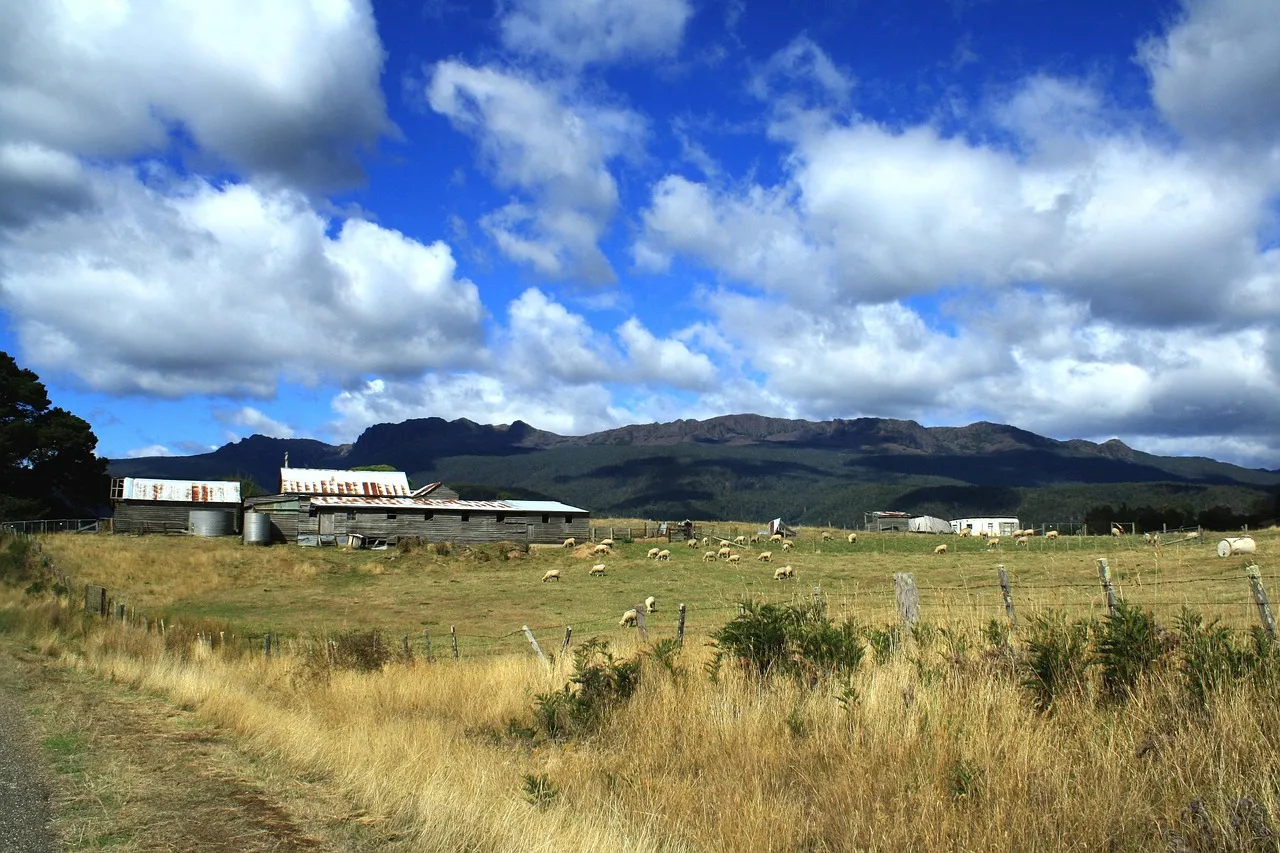
A group of old farm sheds with weathered timber walls and rusting corrugated iron roofs, round water tanks beside them, behind a wire fence. Sheep graze the paddock in front and a range of hills rises behind under a cloudy sky.
Old sheds of weathered timber and rusting corrugated iron, with water tanks, in a grazing paddock. Photo by Clarko1959 on Pixabay.

Before you draw anything

Three checks from the official sources

  1. Find the approval pathway

    In New South Wales, the Planning Portal says exempt development “does not need planning or construction approval from a council or private certifier”, but only if the proposed work meets all of the development standards in the State Environmental Planning Policy (Exempt and Complying Development Codes) 2008. Other states use other pathways. Sheet 01 sets out NSW and Victoria.

  2. Know what the code calls your shed

    The National Construction Code describes a Class 10a building as “a non-habitable building including a private garage, carport, shed or the like”. It also defines a farm building and a farm shed, which are certain Class 7 and Class 8 buildings used for farming. Sheet 02 explains the difference.

  3. Check the edition in force where you build

    NCC 2025 was published on 1 May 2026. The Australian Building Codes Board’s adoption page lists 1 May 2026 for the ACT, Victoria and Western Australia, and 1 May 2027 for New South Wales and Queensland, with other dates and arrangements for South Australia and Tasmania. It shows the Northern Territory as not adopted.

About this guide

A guide published by Dotto for people planning, building or replacing a shed on farming land. It explains the official rules in plain language and links each one to its source. It carries no sizes, spans, wind ratings or prices, and it does not replace advice from your council, a building surveyor or certifier, or an engineer for your own shed.

On asbestos, the Asbestos and Silica Safety and Eradication Agency’s advice for householders says it is “not recommended that you handle or remove asbestos yourself”, and in some places the law goes further: in the Australian Capital Territory any removal needs a licensed removalist, unless it is part of minor routine maintenance or other minor work, and in Queensland a home owner must be trained before taking out more than 10 square metres of non-friable material, and only a removalist holding a Class A licence may remove friable material. The agency adds that getting a professional to do the job is easier, safer and often cheaper. It also says that all asbestos waste must go to a landfill licensed to accept it, and that you could be fined for putting asbestos waste in a household rubbish bin. Sheet 06 links each state’s own disposal rules.